Shri Walkeshwar Temple

About

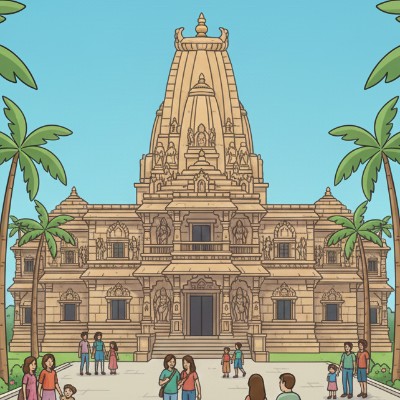
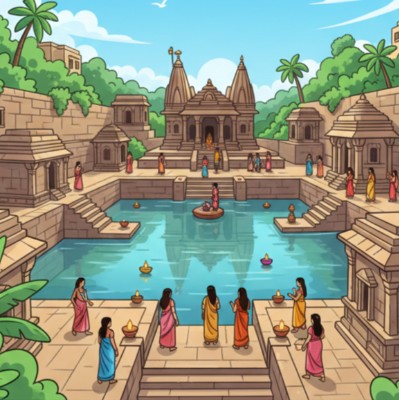
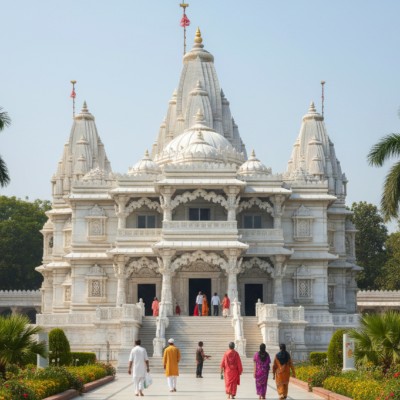
Shri Walkeshwar Temple in Mumbai is one of the city's most respected spiritual landmarks, known for its deep mythological roots, peaceful atmosphere and its close connection with the ancient Banganga Tank.

Located at the top of Malabar Hill, this temple offers a unique blend of devotion, heritage architecture and coastal charm, making it a must visit for travellers who enjoy cultural experiences. The temple is believed to have been originally built during the Silhara dynasty and later reconstructed in the eighteenth century by the Walkeshwar custodians, adding layers of history to its surroundings.

Visitors often appreciate the calm ambience, traditional rituals and the scenic setting that makes the entire complex feel timeless. The temple complex houses a striking Shiva lingam and smaller shrines dedicated to other deities.

The soft sound of bells, the aroma of incense and the gentle sea breeze together create an immersive devotional environment. Some interesting highlights include:

  • The temple's proximity to Banganga Tank.
  • The belief that Lord Rama paused here during his journey to Lanka.
  • The uphill location offering quiet escape from the busy city.

Walkeshwar Temple also serves as an important cultural hub, especially during religious festivals like Mahashivratri, when the entire region lights up with devotional energy. Musicians often perform around the Banganga Tank during classical music festivals, adding an artistic layer to the heritage setting.

Overall, Walkeshwar Temple is a meaningful attraction for devotees, culture enthusiasts and tourists interested in exploring heritage sites, mythology and the quieter side of Mumbai. Its balance of history, spirituality and scenic ambiance makes it a rewarding place to visit.
History

Walkeshwar Temple, a historic Mumbai landmark, is believed to have been first commissioned during the Silhara dynasty, giving it a deep mythological and cultural legacy.

Over the centuries, the temple has seen several reconstructions, with the most notable rebuild carried out in the eighteenth century by the Walkeshwar custodians. Its location near Banganga Tank further strengthens its heritage importance, as the entire zone is considered sacred and tied to legends from the Ramayana.

  • Originally built during the Silhara dynasty, reflecting early Hindu temple architecture.
  • Reconstructed in the eighteenth century, preserving its religious identity.
  • Historically linked to Lord Rama's halt during his journey to Lanka.


Facts & Figures

Walkeshwar Temple is an iconic religious site in Mumbai with several distinct attributes that highlight its cultural and architectural value. The shrine stands close to the Banganga Tank, one of the few freshwater bodies in the region.

The temple is known for its simple yet traditional architecture, stone carvings and peaceful hilltop setting. Visitors come not only for worship but also to experience the heritage environment surrounding Malabar Hill.

  • One of the oldest surviving Shiva temples in Mumbai.
  • Located near Banganga Tank, a freshwater reservoir.
  • Receives thousands of devotees during major festivals like Mahashivratri.
  • The site is maintained by local temple trusts and custodians.


Current Scenario

Walkeshwar Temple today continues to function as an active place of worship and a peaceful spiritual retreat within Mumbai. The temple complex is well maintained, with regular prayers, rituals and seasonal festivities drawing both locals and travellers.

Thanks to its location on Malabar Hill, the surroundings remain relatively calm compared to the busy city below. The area around Banganga Tank is also cleaner today due to ongoing conservation initiatives by local groups and heritage bodies.

  • Regular rituals, daily aarti and festive celebrations.
  • Increasing interest from heritage walkers and cultural tourists.
  • Improved cleanliness and maintenance around Banganga Tank.
  • Occasional cultural events and classical music gatherings during special seasons.


Cultural Significance & Local Traditions

Walkeshwar Temple holds an important place in the cultural fabric of Mumbai, especially because of its centuries old traditions and its association with the Banganga precinct. The temple is not only a spiritual centre but also a venue where several community based cultural events take place throughout the year. Locals often visit the area for quiet meditation, religious observances and to participate in small gatherings that celebrate traditional music and storytelling.

  • The Banganga Music Festival, which brings classical performances to the temple precinct.
  • Regular community gatherings centred around devotional songs and bhajans.
  • The temple’s influence on preserving ancient legends and folklore of the region.
  • The traditional practice of taking a holy dip in Banganga Tank during auspicious days.
0411
Best Time to Visit

The best time to visit Walkeshwar Temple in Mumbai is during the cooler months, when the weather is pleasant for walking around Malabar Hill and exploring the Banganga precinct.

From November to February, the temperature remains comfortable, making the temple surroundings ideal for sightseeing, quiet reflection and photography. While the temple is open throughout the year, the monsoon months can bring slippery steps and high humidity, which may be inconvenient for some visitors.

Festival days like Mahashivratri also offer a vibrant atmosphere for those who enjoy cultural and devotional experiences.

  • November to February: Best for weather and outdoor exploration.
  • March to June: Hot and humid, suitable for short visits.
  • July to September: Monsoon months, walkways may be slippery.
  • October: Pleasant transition month with moderate crowds.


Timings, Entry Fees & Rules

Walkeshwar Temple in Mumbai follows a traditional schedule that allows devotees to visit throughout the day for prayers and darshan. The temple does not charge any entry fee, making it accessible to all visitors.

Being an active place of worship, visitors are expected to maintain silence, dress modestly and respect ongoing rituals. Photography is usually allowed in outer areas but may be restricted inside the sanctum depending on temple staff instructions.

Festival days can be more crowded, leading to longer waiting times for darshan.

  • Timings: Generally open from 6:00 AM to 10:00 PM.
  • Entry Fee: No charges for entry.
  • Rules: Maintain silence, avoid footwear inside temple premises and follow staff instructions.
  • Photography: Allowed only in non restricted areas.
  • Disclaimer: Timings and rules may vary during festivals. Visitors should confirm with temple authorities.


How to Reach

Reaching Walkeshwar Temple in Mumbai is convenient due to its location on Malabar Hill. Travellers can choose from multiple transport options including air, train and road. The temple is situated close to major landmarks, making navigation simple for both locals and tourists.

  • By Air: The nearest airport is Chhatrapati Shivaji Maharaj International Airport, about 23 to 25 kilometres away. Taxis and app cabs usually take the Western Express Highway or the Bandra Worli Sea Link towards Malabar Hill.

  • By Train: The closest major station is Mumbai Central, around 5 to 6 kilometres away. Churchgate station, about 4 kilometres from the temple, is also convenient.

  • By Road / Local Transport: The temple is accessible via BEST buses, taxis and private vehicles. Important nearby landmarks include Hanging Gardens, Kamala Nehru Park and Banganga Tank. Roads via Marine Drive, Hughes Road and Peddar Road lead to Malabar Hill.
0711
Tips & Hacks

Visiting Walkeshwar Temple in Mumbai can be a peaceful and fulfilling experience if planned well. The temple and Banganga precinct are best enjoyed during quieter hours, especially early mornings or late evenings.

Visitors should be mindful of temple etiquette, respect ongoing rituals and stay aware of basic safety practices when walking around the narrow lanes or near the steps leading to Banganga Tank. Comfortable footwear, hydration and simple clothing help make the visit smoother.

  • Visit early morning for a quiet and spiritual atmosphere.
  • Carry water, especially during summer months.
  • Dress modestly and follow temple etiquette at all times.
  • Be careful near the edges of Banganga Tank, especially in monsoon.
  • Photography may be restricted inside sanctum; check with staff.
  • Avoid peak festival hours if you prefer a peaceful experience.


Recommendations for Tourists

Walkeshwar Temple in Mumbai appeals to many types of travellers, from local devotees to international visitors curious about India’s spiritual heritage. A well planned visit can help tourists appreciate the temple’s cultural, architectural and mythological significance.

Local visitors often prefer quick darshan trips or evening walks around Banganga, while international travellers may enjoy guided walks that explain the structure’s historical layers and its connection to the Ramayana.

Including nearby attractions such as Hanging Gardens and Kamala Nehru Park can also enhance the experience.

  • Local Tourists: Visit during early morning or post sunset for peaceful darshan and a stroll near Banganga Tank.
  • International Tourists: Opt for a heritage walk to understand the temple’s legends and the Banganga precinct.
  • Suggested Itinerary Slot: Combine Walkeshwar Temple with Hanging Gardens and marine views from Malabar Hill.


Food Courts / Food Options Nearby

Food options around Walkeshwar Temple in Mumbai cater to different budgets, offering everything from simple local snacks to café style meals. Many eateries are a short drive away near Girgaum Chowpatty and Hughes Road. Visitors can enjoy vegetarian meals, street food, quick snacks and moderately priced cafés.

  • Status Restaurant - Vegetarian meals; approx. price per person: Rs. 300 to 400.
  • New Kulfi Centre (Chowpatty) - Famous for kulfis and desserts; approx. Rs. 80 to 150.
  • Sukh Sagar (Chowpatty) - South Indian snacks and fast food; approx. Rs. 150 to 250.
  • Cream Centre (Chowpatty) - Multi cuisine vegetarian; approx. Rs. 350 to 500.
  • Bachelorr’s - Juices, shakes and quick snacks; approx. Rs. 150 to 250.
  • Local street stalls at Chowpatty - Bhel, pav bhaji and snacks; approx. Rs. 80 to 150.

Must try foods:

  • Fresh juices at Bachelorr’s - approx. Rs. 120 to 200.
  • Pav Bhaji and Bhel at Chowpatty stalls - approx. Rs. 80 to 150.

Suggested options for all budgets:

  • Budget: Street stalls, Sukh Sagar.
  • Mid range: Status Restaurant, Bachelorr’s.
  • Higher budget: Cream Centre.
01011
Additional Notes / Fun Facts

Walkeshwar Temple carries several fascinating stories and cultural elements that add depth to its spiritual presence in Mumbai. Its association with Lord Rama and its peaceful setting on Malabar Hill offer a refreshing contrast to the city's fast pace.

The nearby Banganga precinct preserves some of the oldest surviving traditions of the region and is considered spiritually significant by devotees.

  • The name “Walkeshwar” comes from “Valuka Ishwar”, meaning “Lord of Sand”.
  • Legend says Lord Rama created a Shiva lingam here from sand.
  • Banganga Tank is believed to have originated from an arrow shot by Lord Rama.
  • The temple precinct has hosted classical music gatherings for many years.
  • The area retains old world charm despite being part of upscale Malabar Hill.
1081


Places Nearby Shri Walkeshwar Temple
Frequently Asked Questions
Q1: What are the visiting hours of the Walkeshwar Temple in Mumbai?
A1: The visiting hours of the Walkeshwar Temple in Mumbai are generally from 6:00 AM to 10:00 PM every day.
Q2: Is there any entry fee to visit the Walkeshwar Temple in Mumbai?
A2: There is no entry fee to visit the Walkeshwar Temple in Mumbai; entry is free for all visitors.
Q3: What is the significance of the Walkeshwar Temple in Mumbai?
A3: The Walkeshwar Temple in Mumbai is significant for its association with Lord Rama, its ancient history and its location near the sacred Banganga Tank.
Q4: How old is the Walkeshwar Temple in Mumbai?
A4: The Walkeshwar Temple in Mumbai is believed to date back to the Silhara dynasty and was later rebuilt in the eighteenth century.
Q5: Is photography allowed inside the Walkeshwar Temple in Mumbai?
A5: Photography at the Walkeshwar Temple in Mumbai is generally allowed in outer areas but may be restricted inside the sanctum.
Q6: Which deity is worshipped at the Walkeshwar Temple in Mumbai?
A6: The main deity worshipped at the Walkeshwar Temple in Mumbai is Lord Shiva in the form of a sacred lingam.
Q7: What is the connection between Walkeshwar Temple and Lord Rama?
A7: According to legend, Lord Rama created a sand-made Shiva lingam at the site of the Walkeshwar Temple during his journey to Lanka.
Q8: How far is the Walkeshwar Temple from Banganga Tank in Mumbai?
A8: The Walkeshwar Temple is located just a short walk away from the historic Banganga Tank in Mumbai.
Q9: What is the best time to visit the Walkeshwar Temple in Mumbai?
A9: The best time to visit the Walkeshwar Temple in Mumbai is between November and February when the weather is pleasant.
Q10: Are there any festivals celebrated at the Walkeshwar Temple in Mumbai?
A10: Major festivals like Mahashivratri are celebrated at the Walkeshwar Temple in Mumbai with large gatherings and special rituals.
Q11: Is the Walkeshwar Temple in Mumbai wheelchair accessible?
A11: The Walkeshwar Temple in Mumbai has some steps and uneven areas, so accessibility may be limited for wheelchair users.
Q12: How can I reach the Walkeshwar Temple on Malabar Hill in Mumbai?
A12: You can reach the Walkeshwar Temple on Malabar Hill in Mumbai via taxis, auto rickshaws, BEST buses and app based cabs from major city points.
Q13: What should visitors wear when visiting the Walkeshwar Temple in Mumbai?
A13: Visitors to the Walkeshwar Temple in Mumbai should wear modest clothing that respects temple customs and rituals.
Q14: How much time is required to explore the Walkeshwar Temple in Mumbai?
A14: Exploring the Walkeshwar Temple in Mumbai typically takes around 30 to 45 minutes, including the nearby Banganga precinct.
Q15: Is the Walkeshwar Temple in Mumbai suitable for children and family visits?
A15: Yes, the Walkeshwar Temple in Mumbai is family friendly and suitable for children, offering a peaceful and educational environment.